Alternative Unknowns, 2015
See more documentation on Flickr.
Detail: xRats by the Environmental Health Clinic (Natalie Jeremijenko)
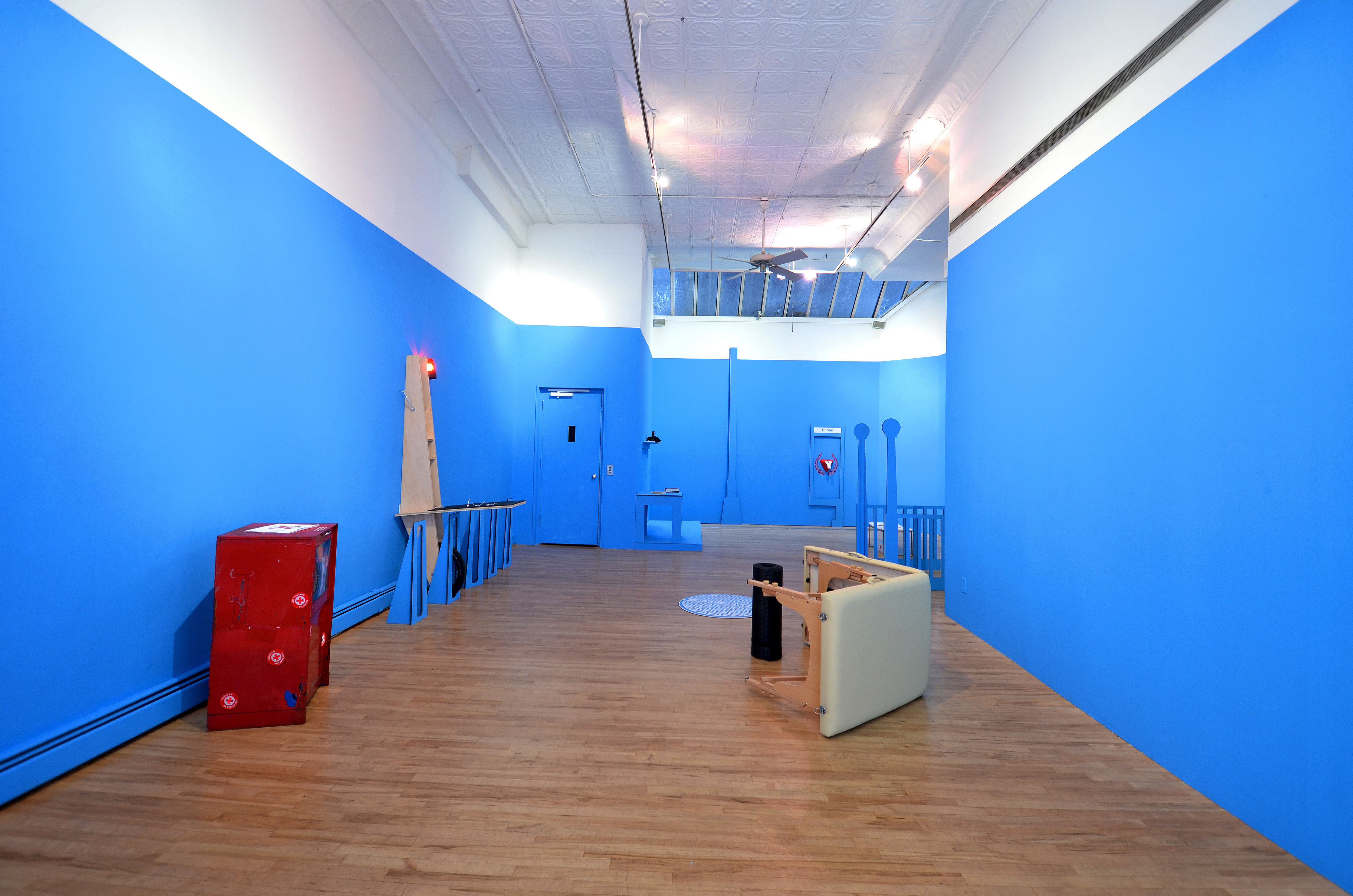

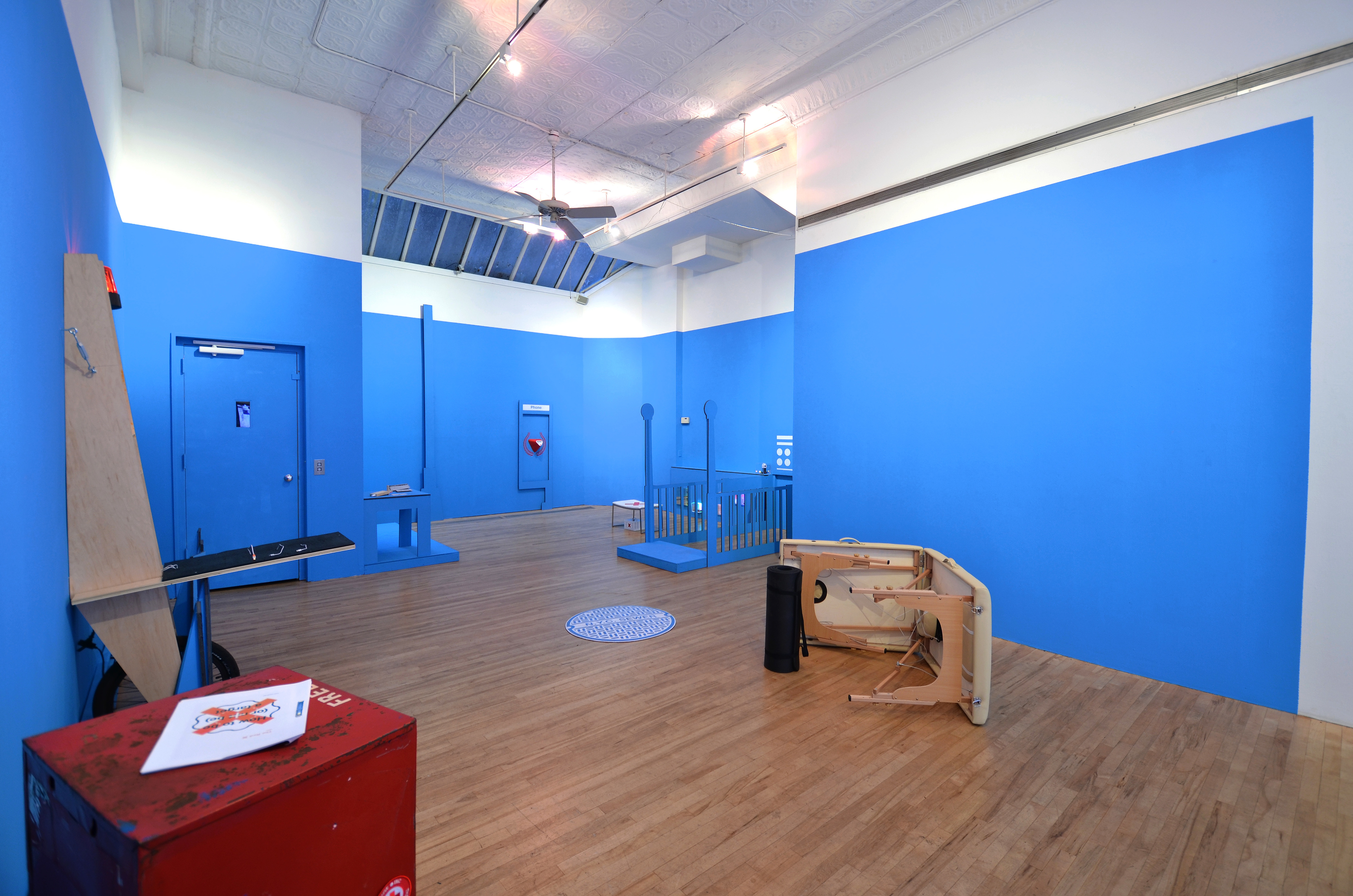
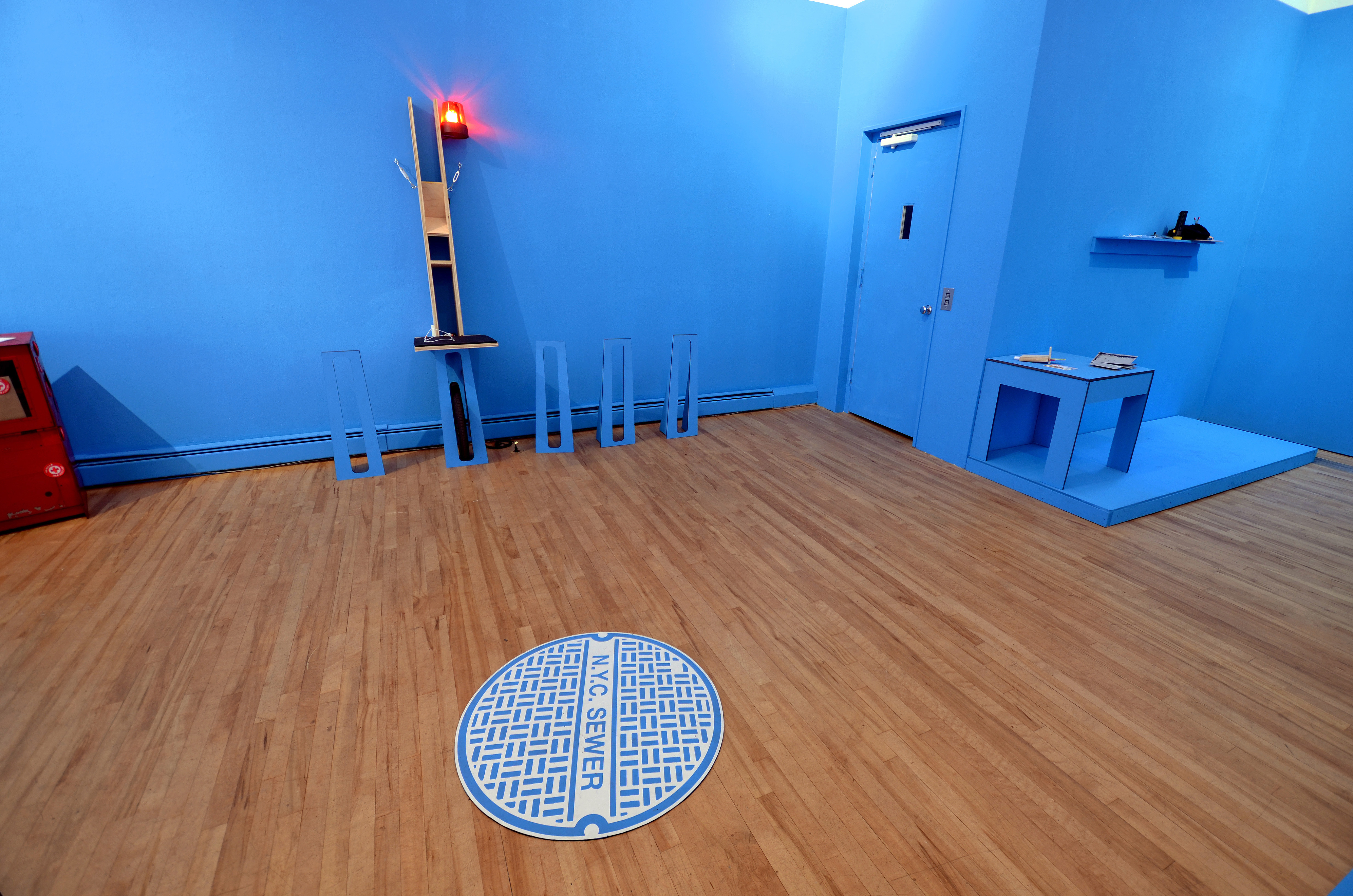

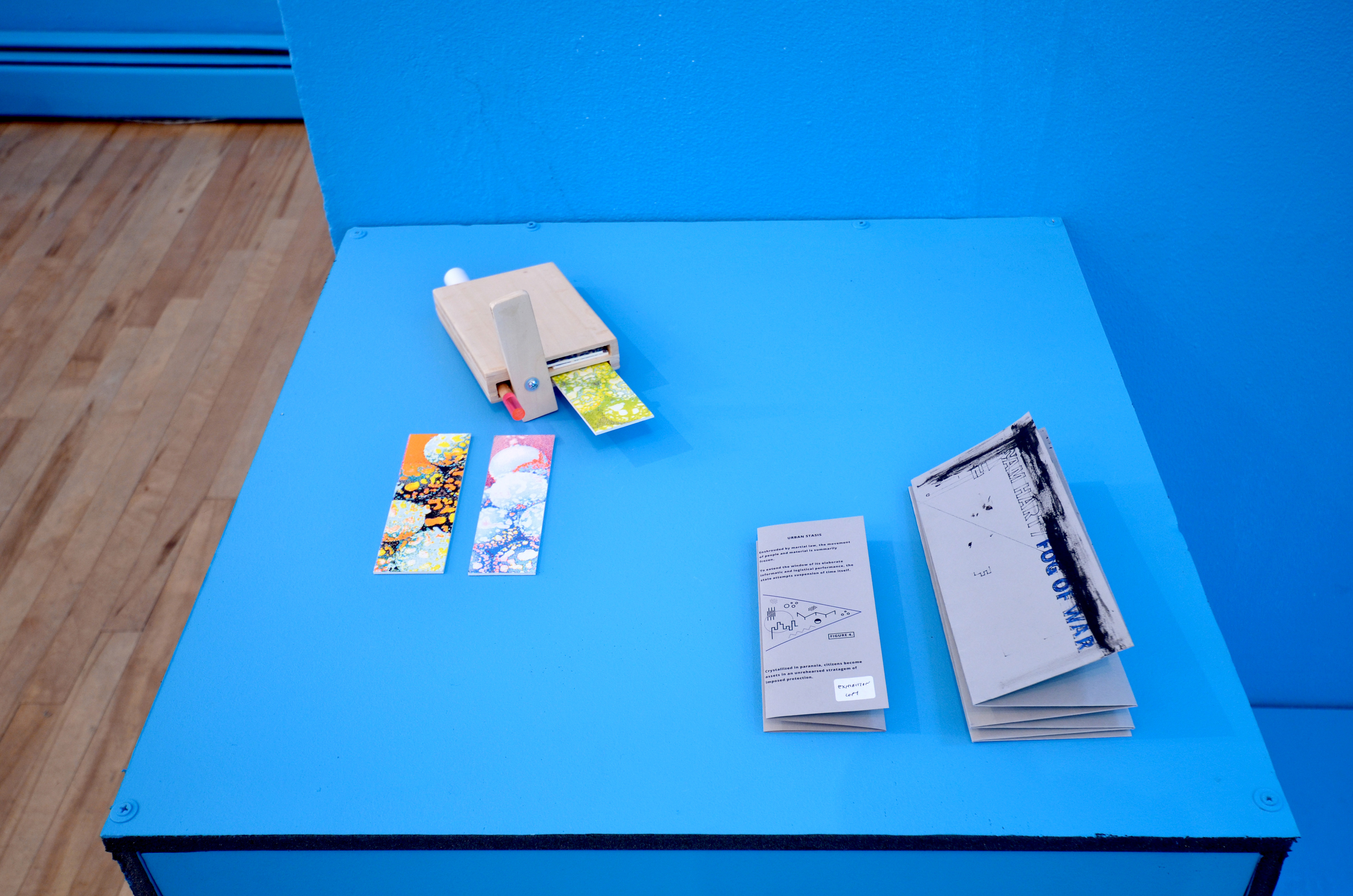

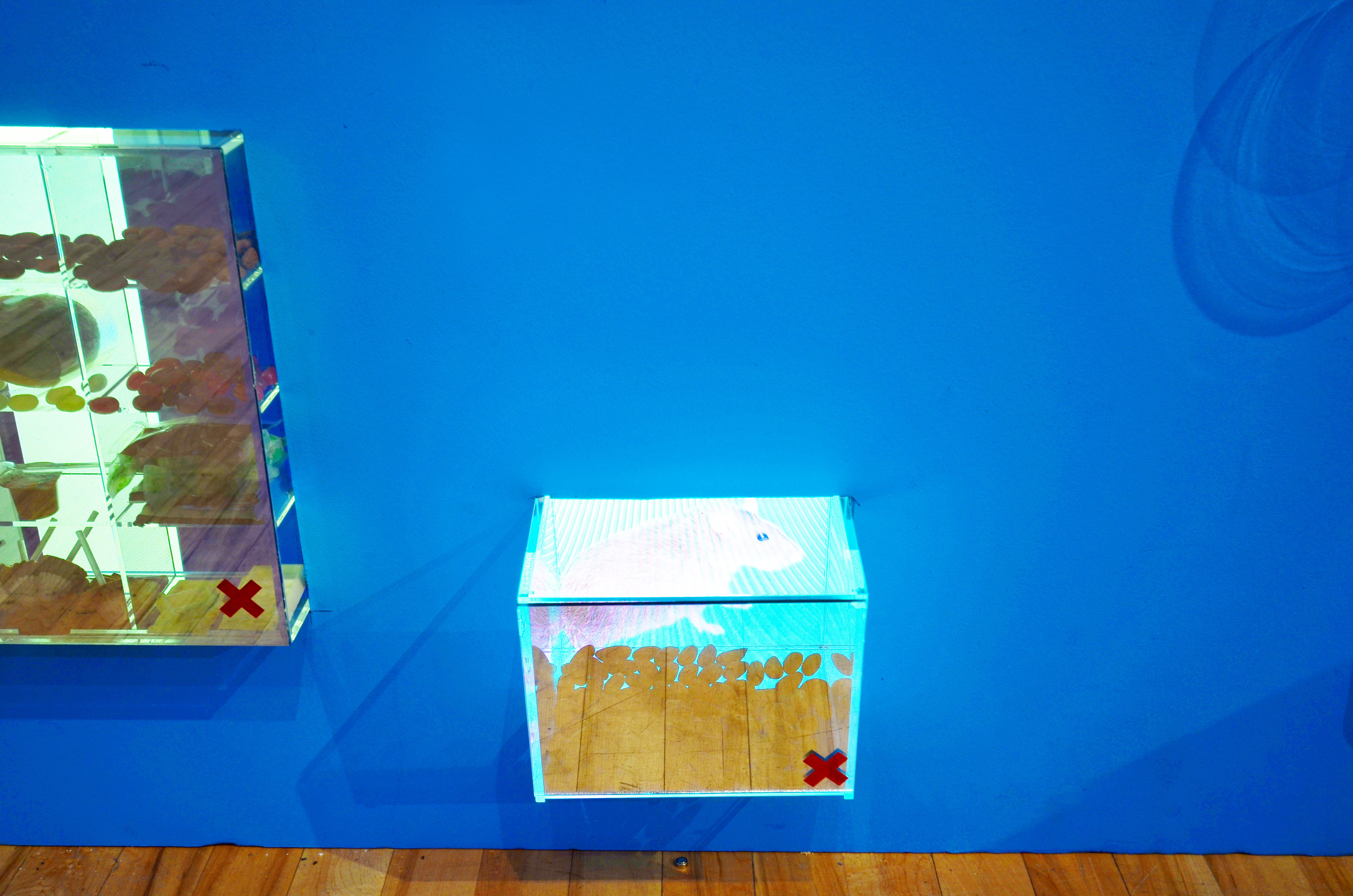

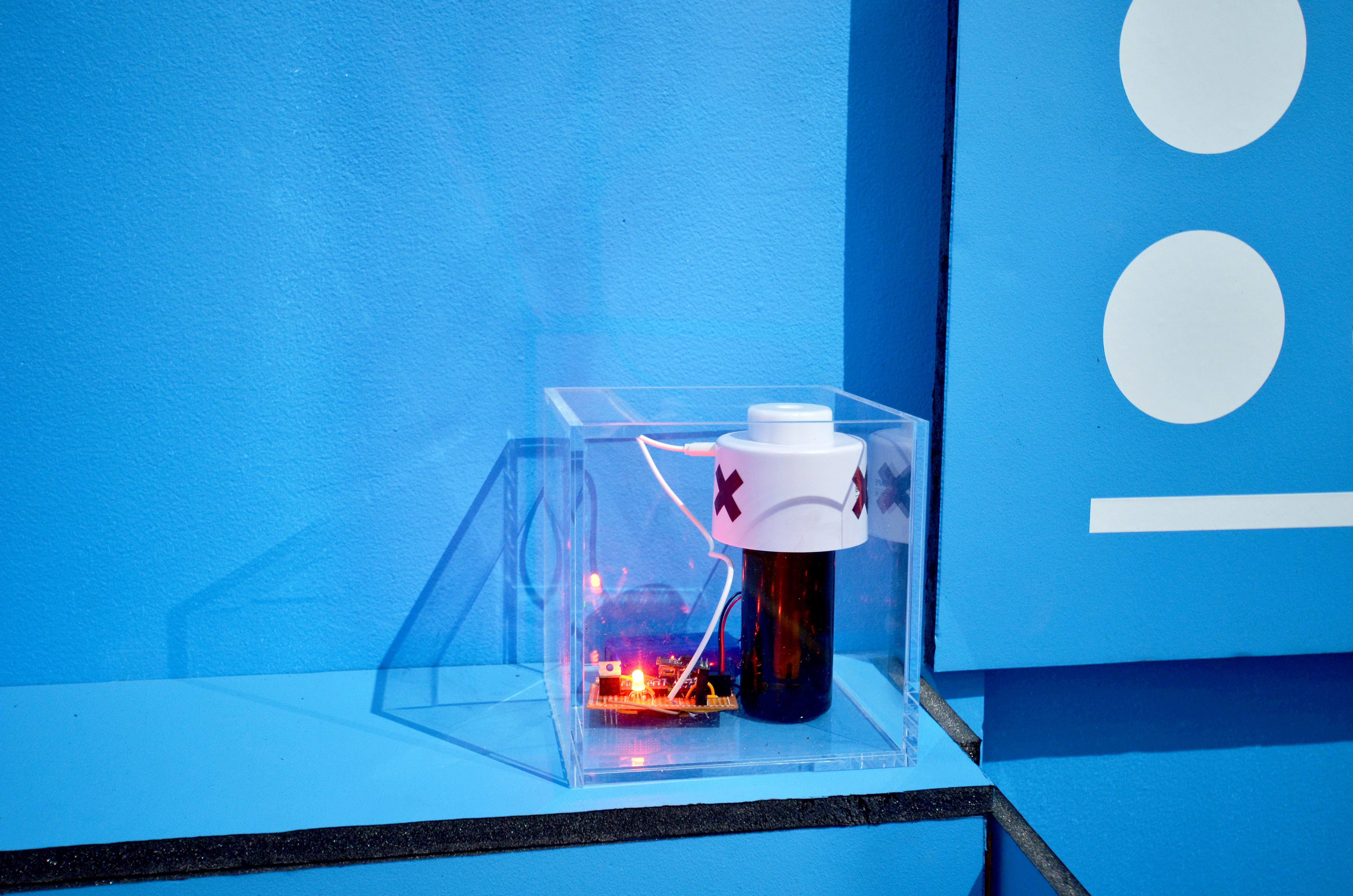

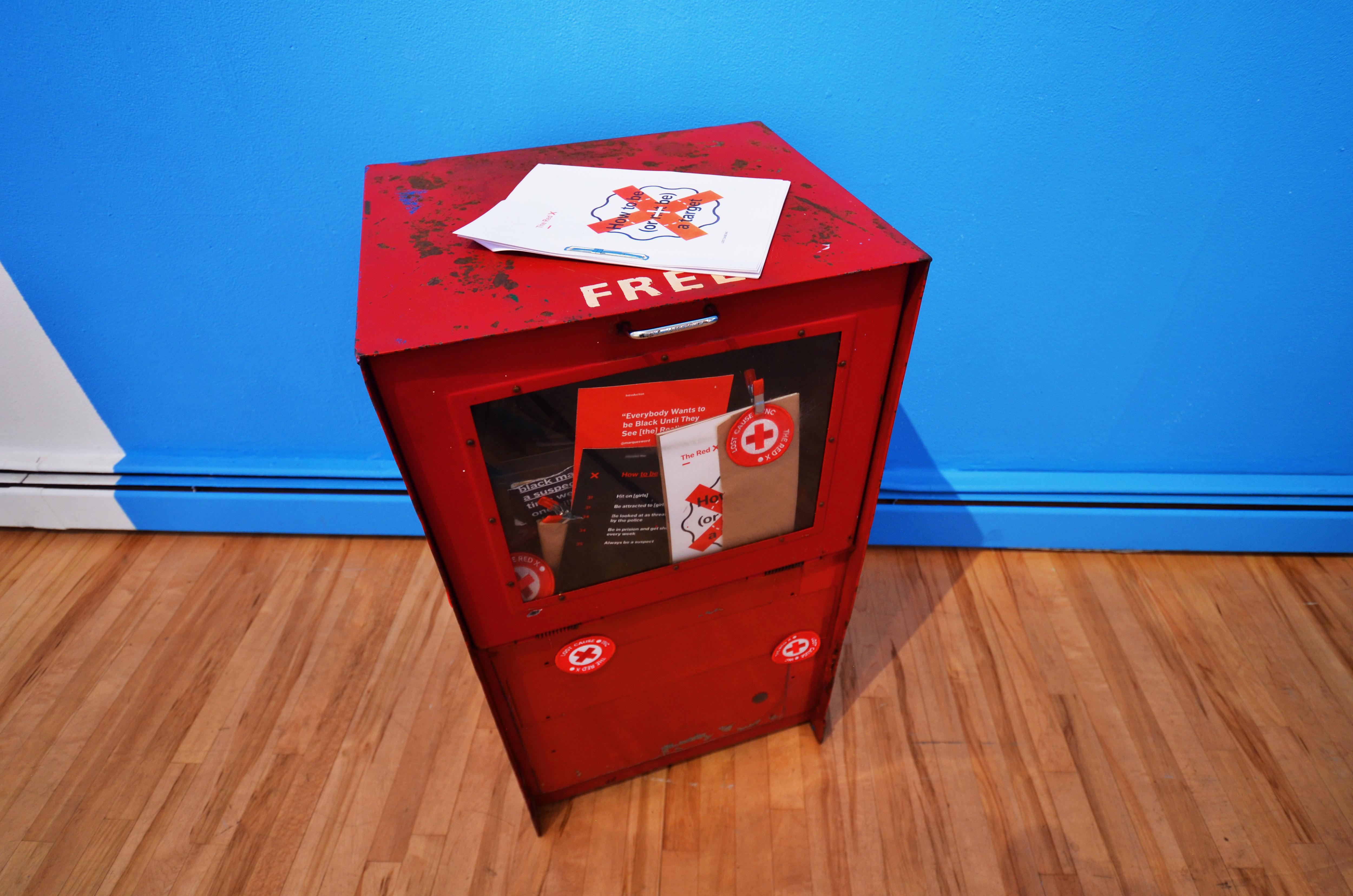
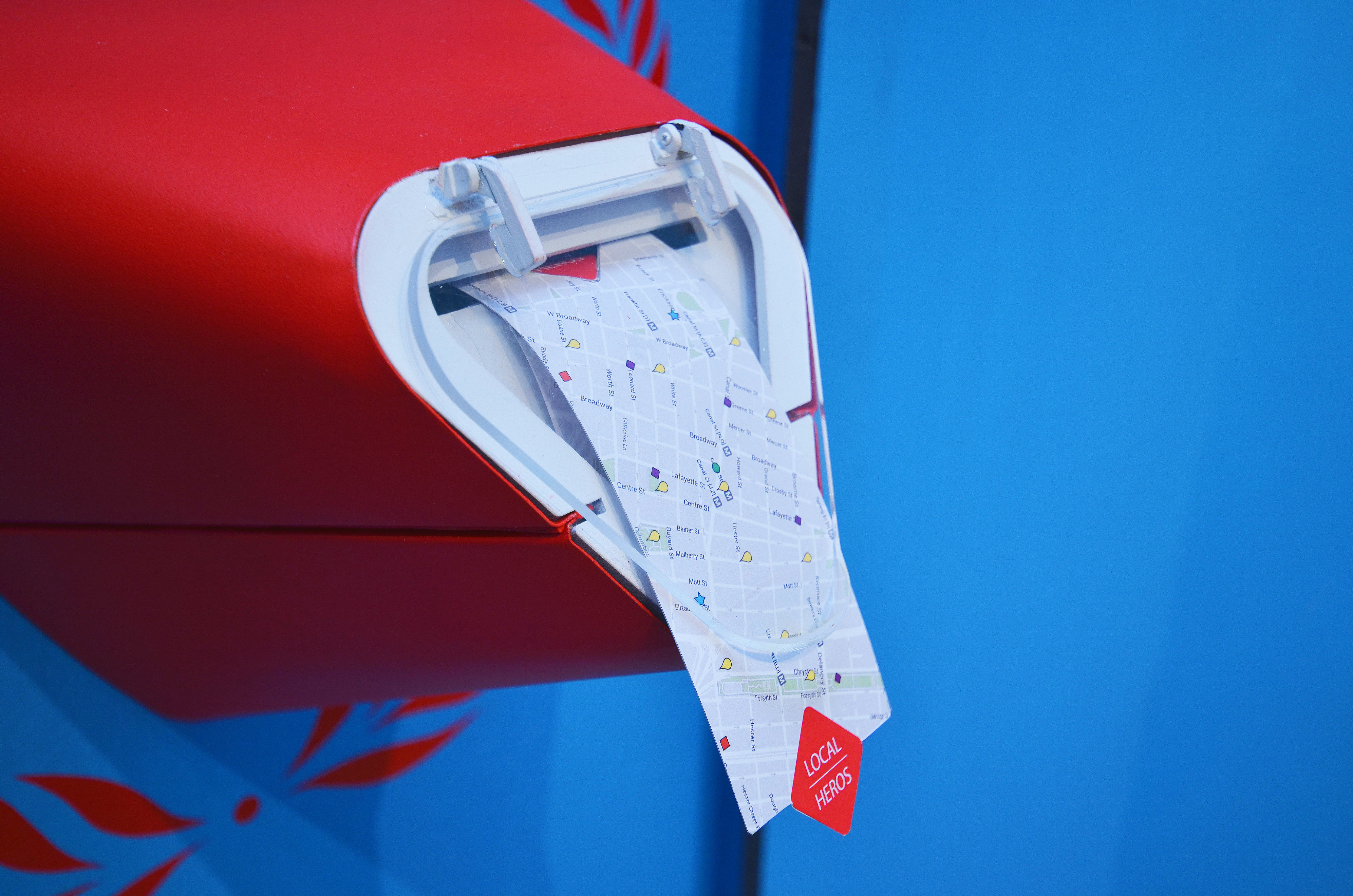

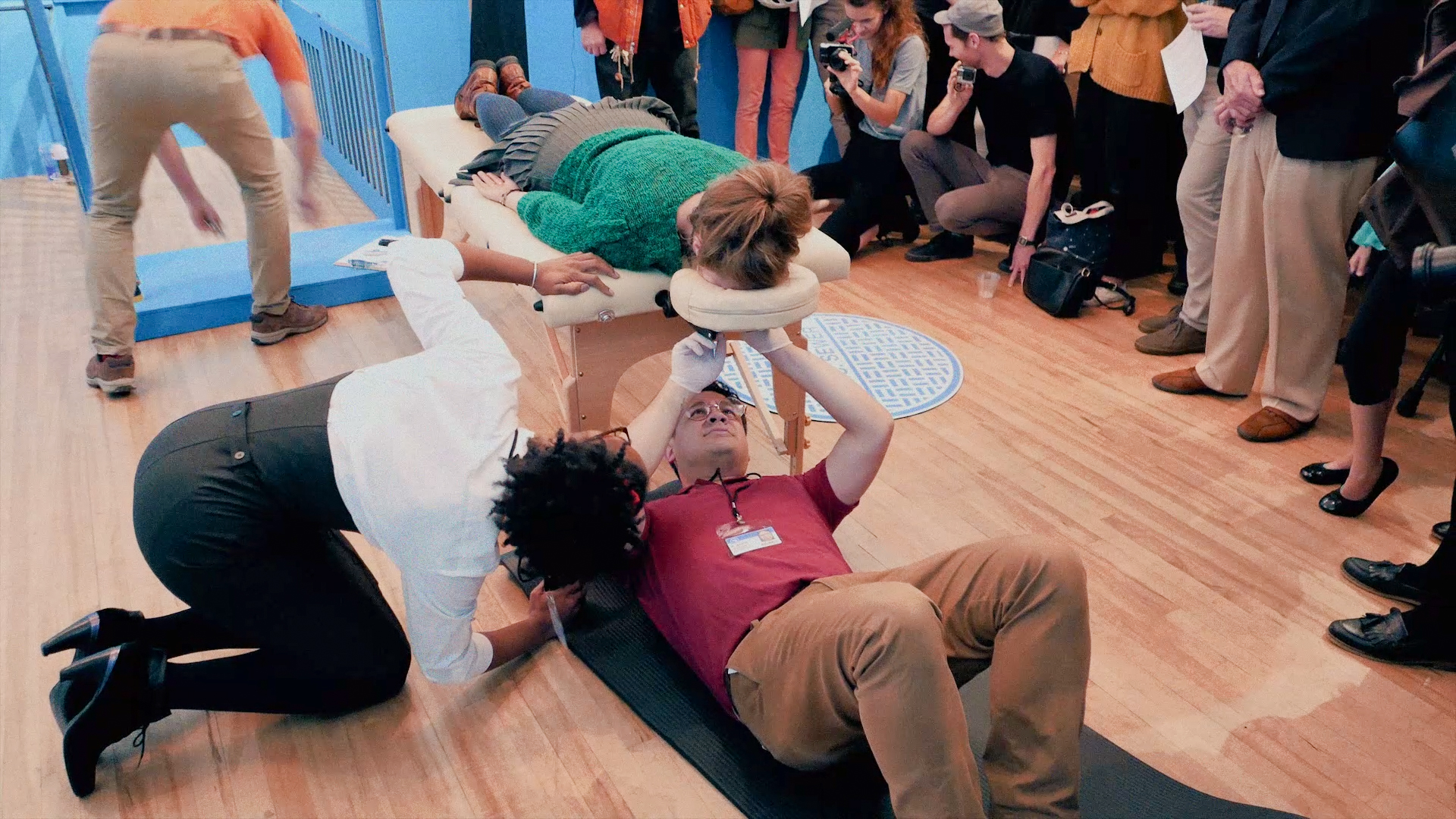
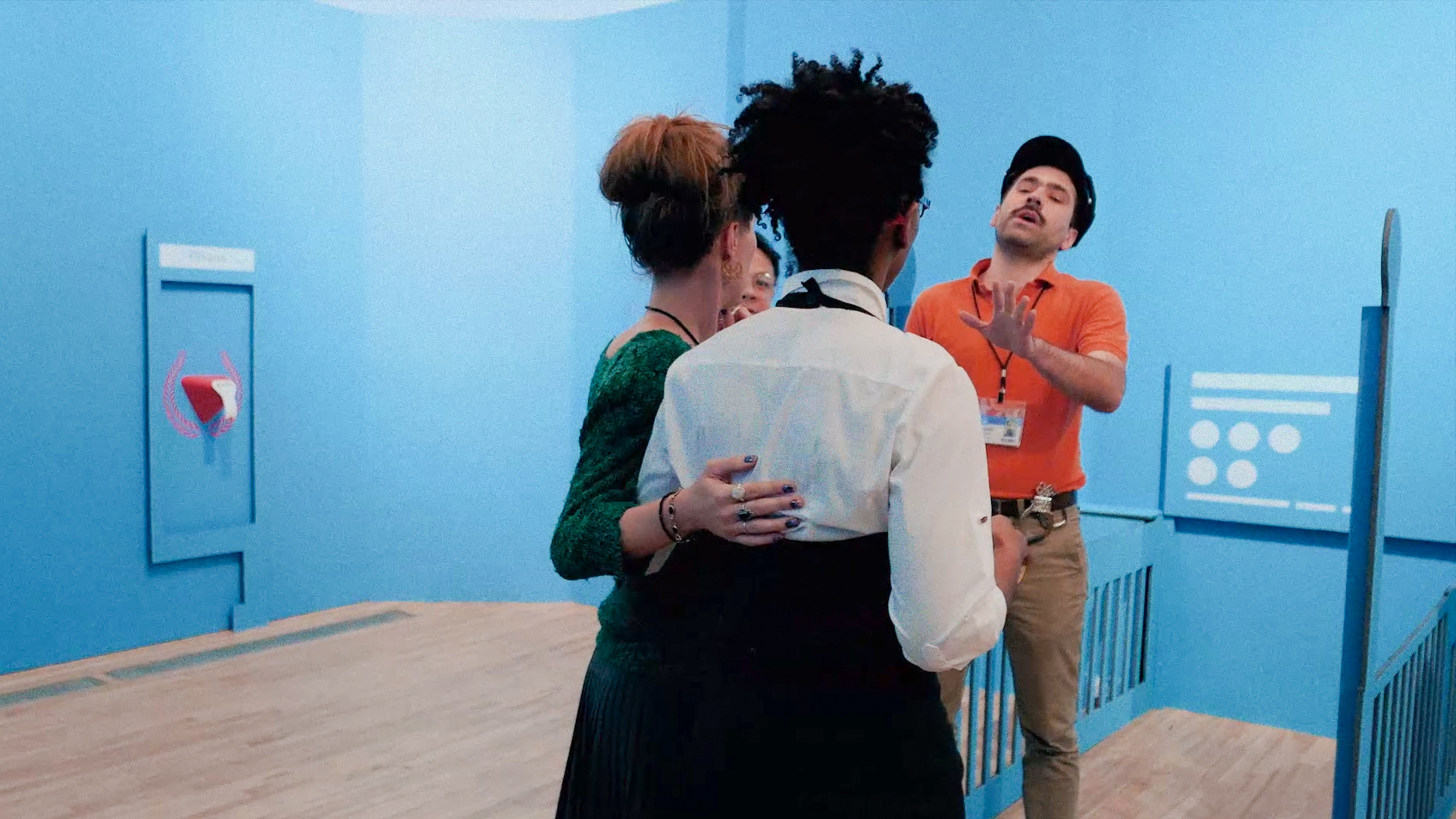
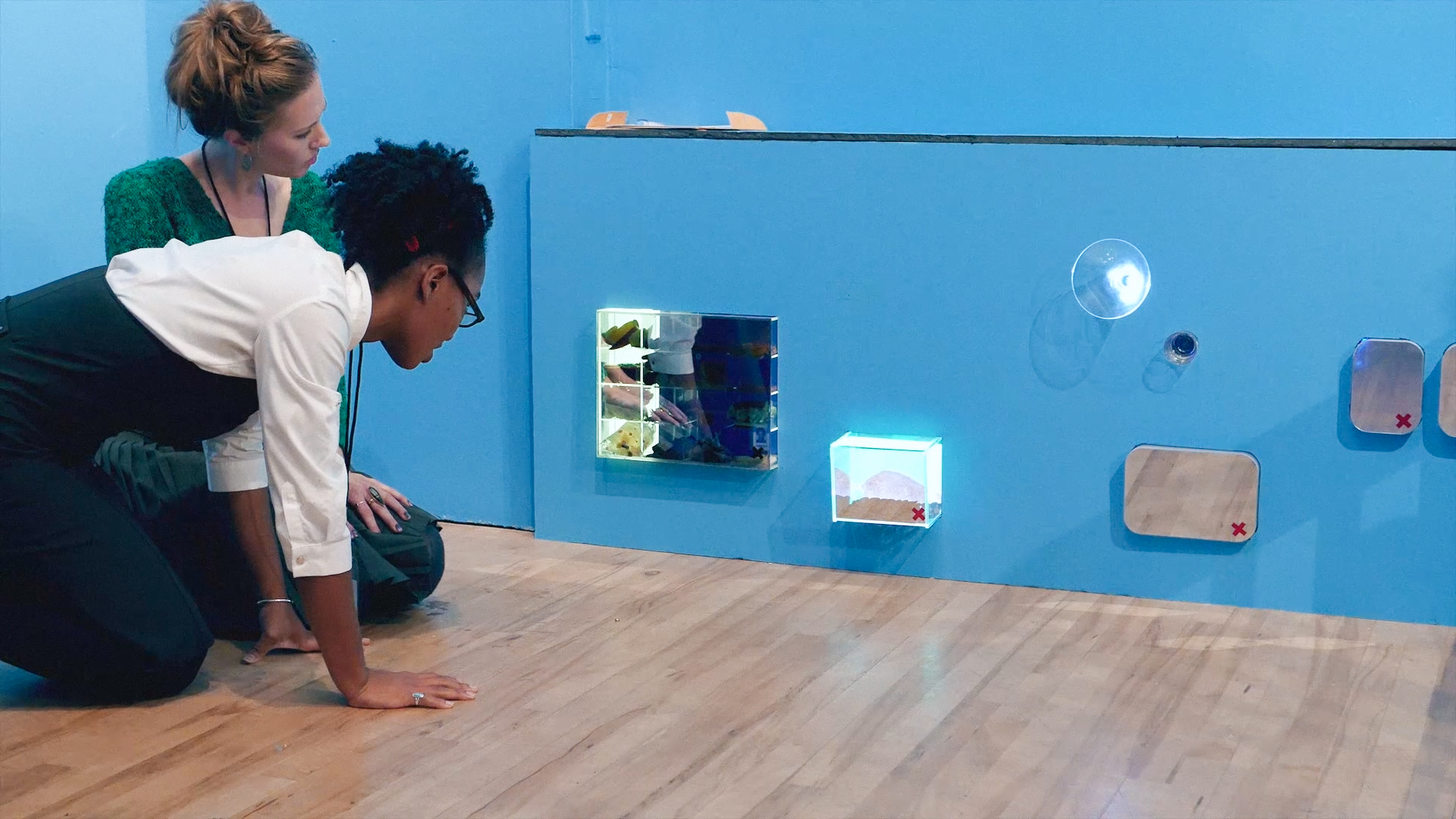
Speculation in City Government, roundtable at apexart, 2015
On 11 December 2015, the exhibition’s curators, artists and performers reconvened with New York City Emergency Management at apexart to discuss what speculative design and improvisation could contribute to emergency planning.
The performances revealed how an object’s intended purpose could shift in use. A home-testing kit became an instrument of policing and quarantine, raising questions about trust, authority and access to care. Actors described responding under pressure, piecing together unfamiliar instructions and taking cues from one another. Their interpretations exposed the distance between a planned service and the way someone might experience it.
Emergency managers connected these scenes to practical questions: who delivers information, how it is received, and whether services could reach people at home instead of requiring them to travel to a central location. The conversation also opened onto larger questions about urban infrastructure, ecological relationships and the role of public institutions in imagining different futures.
A productive tension ran through the discussion: could an exhibition help communicate existing preparedness strategies, or also change how those strategies are developed? By bringing institutional knowledge into contact with performance and public interpretation, Alternative Unknowns created a setting in which assumptions could be questioned, unintended consequences explored and new approaches considered together.
Exhibitions & related material
Exhibitions & public programs
- Alternative Unknownsapexart, New York, 5 November–19 December. Curated by Elliott P. Montgomery and Chris Woebken.
- Speculation in City Governmentapexart, New York, 11 December. Roundtable with NYC Emergency Management.
Articles, publications & talks
- Role-Playing the Next Big DisasterJessica Leigh Hester. Article archived by apexart (PDF).
- Alternative UnknownsExhibition account, scenario and interview material by Chris Woebken and Elliott P. Montgomery.
- Alternative Unknowns — exhibition essay and brochure